Decisive Yet Incomplete: U.S. Strategy in the South China Sea Under Scrutiny
 David McInnis
The South China Sea NewsWire's latest report reveals a strategic recalibration by the U.S. in addressing China's growing influence. While military deterrence remains a priority, the absence of a cohesive economic plan threatens Washington's regional leadership.
Found this article helpful?
Share it with your network and spread the knowledge!
TLDRQuick Summary for Different Perspectives
- Gain strategic insights from SCSNW's report on Washington's recalibrated approach to China, emphasizing deterrence and regional balance under Trump's administration.
- The report outlines U.S. strategy emphasizing military strength and burden-sharing with allies, aiming for a balanced regional status quo.
- Promoting a balanced U.S. strategy in the South China Sea fosters cooperation on climate resilience, fisheries management, and maritime governance.
- The South China Sea is now a pivotal arena where strategic rivalry, global trade, and environmental pressures intersect.
Rethinking U.S. Strategy in the South China Sea
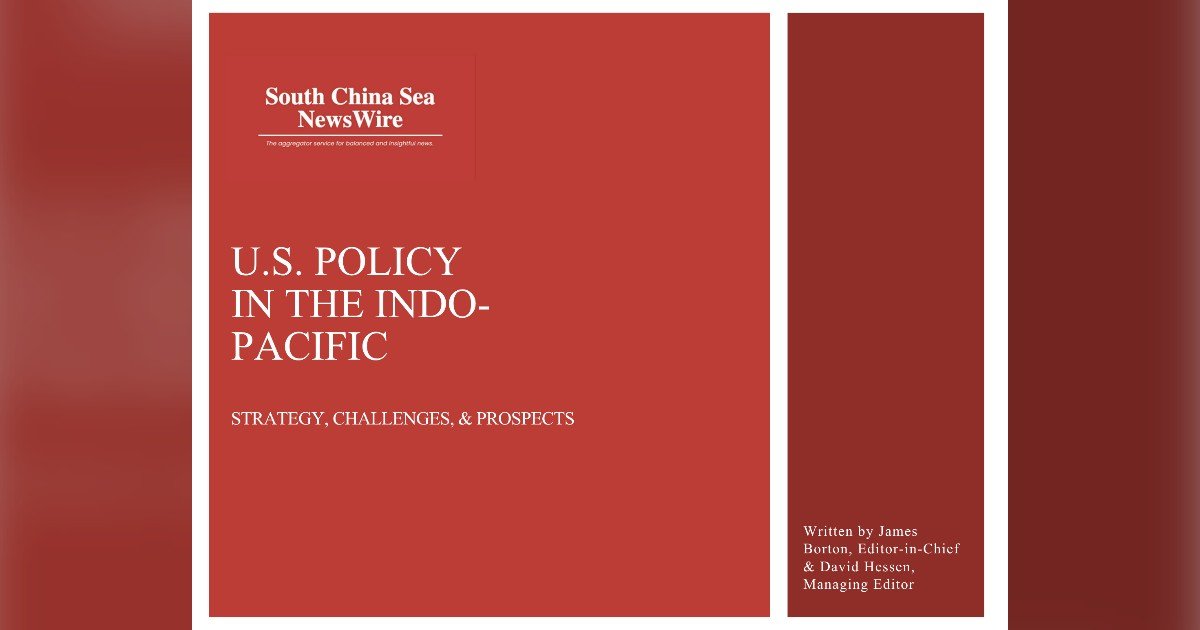
The South China Sea NewsWire has released a pivotal Special Report titled “U.S. Policy in the South China Sea: Strategy, Challenges, and Prospects.” This comprehensive assessment dissects how the U.S., under the guidance of the second Trump administration, is recalibrating its approach towards China and the broader Indo-Pacific region. The report highlights a noteworthy shift from viewing China as a primary strategic threat to treating Beijing as a rival that must be balanced. The emphasis is placed on deterrence, burden-sharing with allies, and maintaining a favorable status quo in the region.
The editors underscore the South China Sea's significance as the nexus of strategic rivalry, global trade, energy security, and environmental pressures. This region emerges as a critical testing ground for U.S. global leadership, challenging Washington to adapt its strategies effectively.
Key Findings: Military Strength and Economic Ambiguities
The report outlines several key findings that shape the current U.S. strategy. At the forefront is a deterrence-first approach, wherein U.S. policy prioritizes robust military strength and denial capabilities along the First Island Chain. This strategy aims to prevent escalation without direct confrontation. However, the report warns that such a reliance on military power, without concurrent economic and diplomatic efforts, may undermine U.S. influence.
Furthermore, the report identifies strains in transactional alliances, particularly with allies like Japan and South Korea. These nations face increased demands, prompting regional rearmament and raising concerns about long-term trust and stability. Additionally, Washington's economic strategy appears fragmented; while tariffs and supply-chain measures remain central, a coherent framework to compete with China's regional influence is lacking.
China's dual-track approach is also scrutinized. Beijing continues its assertive maritime activities while expanding diplomatic messaging around marine science, environmental cooperation, and "win-win" engagement, complicating the geopolitical landscape.
The Imperative for a Balanced Strategy
The report concludes by urging Washington to adopt a more balanced strategy. It emphasizes the necessity of integrating deterrence with credible economic initiatives and strengthening multilateral partnerships. Expanding cooperation on shared challenges, such as climate resilience, fisheries management, and maritime governance, is presented as crucial for sustaining regional trust and strategic ambition.
In the increasingly central context of the South China Sea to global security, the test for Washington lies in aligning its strategic goals with sustained engagement and regional trust. The ability to balance military prowess with diplomatic and economic initiatives will determine whether the U.S. can maintain its leadership and influence in this strategically vital maritime region.
About David McInnis
David McInnis is the Founder of Newsworthy.ai, a news marketing platform that helps organizations amplify their stories and reach wider audiences. Previously, he founded PRWeb, where he transformed the newswire industry by pioneering distribution strategies in the era of Search. Today, David is once again at the forefront of innovation—this time rewriting the rules for how AI reshapes the news experience.