The Sun Belt Sizzles: Unpacking Airbnb's 2025 Market Surge
 David McInnis
In 2025, the Airbnb market saw a significant shift towards the Sun Belt states, with Florida, California, and Texas dominating a whopping 32.5% of all searches. Chalet's year-end analysis not only highlights this trend but also reveals a growing preference for secondary markets over big cities, alongside a strategic avoidance of regulation-dense areas.
Found this article helpful?
Share it with your network and spread the knowledge!
TLDRQuick Summary for Different Perspectives
- Investors focusing on the Sun Belt states can gain a competitive edge in the booming short-term rental market.
- Chalet's data analysis identifies emerging Airbnb markets and investment trends by examining search patterns and transaction data across the U.S.
- By highlighting regions with less regulatory hurdles, Chalet's insights encourage sustainable growth in short-term rentals, benefiting both investors and communities.
- Florida, California, and Texas dominated Airbnb searches in 2025, showcasing the enduring appeal of the Sun Belt for vacationers and investors alike.
The Sun Belt Takes the Lead
It's no secret that the Sun Belt has been a hot spot for travelers and investors alike, but the numbers from 2025 truly cement its status at the top. According to Chalet, a powerhouse in short-term rental data analytics, Florida, California, and Texas were the stars of the show, drawing in a hefty 32.5% of all Airbnb searches. This isn't just idle browsing we're talking about; these states also led the pack in actual property acquisitions through Chalet, with 69% of all deals sealed in these sunny locales. The appeal of the Sun Belt, it seems, is more than just the weather—it's where the action is, and the smart money is following.
Secondary Markets Outshine the Big Cities
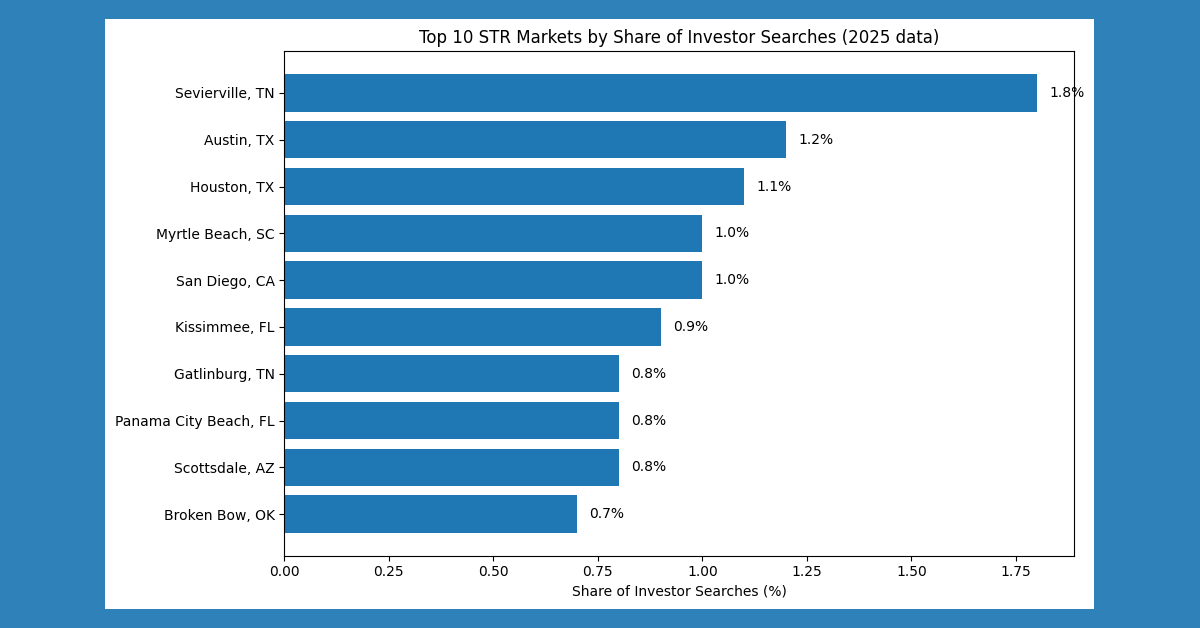
While the big cities have always had their allure, 2025 saw a turning tide with secondary "drive-to" vacation spots outperforming their urban counterparts in terms of engagement rates per listing. Places like Sevierville, TN, have started to steal the spotlight, offering fresh opportunities in regions ripe with potential but previously overlooked. This trend is backed by hard data, with nearly 70% of the top 30 searched markets on Chalet being regional or destination-driven rather than major metros. The surge in interest for these areas translated into a whopping 205% increase in short-term rental property deals on Chalet, underscoring a shift in investor strategy towards more diversified and perhaps less saturated markets.
Regulation Havens Come into Focus
Another compelling insight from Chalet's analysis points to the impact of regulatory environments on market attractiveness. Cities known for their stringent short-term rental regulations, like New York City and Los Angeles, saw practically no action, capturing less than 0.2% of all searches. This stark avoidance signals a clear preference among investors and travelers for markets where the rules are friendlier—or at least more predictable. It's a reminder that policy can be just as crucial as location when choosing where to invest your capital, or even just planning your next getaway.
As we look towards 2026, it's clear that the landscape of short-term rental investments continues to evolve, with preferences shifting towards sunnier states, secondary markets, and regulation-friendly environments. Chalet's commitment to providing detailed, actionable data is more valuable than ever, helping users navigate these changes with confidence. And with the introduction of an AI Copilot on the horizon, the future of short-term rental investing looks not only bright but also smarter. Whether you're an investor on the hunt for the next big opportunity or a traveler plotting your escape to the Sun Belt, staying informed is key. For a deeper dive into the trends that shaped 2025, check out the full analysis on Chalet's site. The journey into the future of short-term rentals, it seems, is just getting started.
About David McInnis
David McInnis is the Founder of Newsworthy.ai, a news marketing platform that helps organizations amplify their stories and reach wider audiences. Previously, he founded PRWeb, where he transformed the newswire industry by pioneering distribution strategies in the era of Search. Today, David is once again at the forefront of innovation—this time rewriting the rules for how AI reshapes the news experience.