Rising Antimony Levels at South32 Hermosa Mine: A Call for Transparency and Environmental Accountability
 David McInnis
Recent water quality reports from the South32 Hermosa Mine discharge in Patagonia, Arizona, reveal antimony concentrations exceeding state alert levels and nearing regulatory limits. This development underscores the urgent need for transparency, thorough environmental analysis, and public engagement to protect community health and local ecosystems.
Found this article helpful?
Share it with your network and spread the knowledge!
TLDRQuick Summary for Different Perspectives
- The South32 Hermosa Mine’s high antimony discharge levels pose a competitive risk to water quality, potentially impacting health and local water resources.
- The South32 Hermosa Mine discharged water with antimony levels exceeding Arizona’s alert threshold, prompting a required study due to an upward trend in contamination.
- Efforts to increase transparency and accountability in reporting the South32 Hermosa Mine’s discharge impacts show a commitment to protecting community health and environmental sustainability.
- Antimony, a toxic byproduct of mining, can cause serious health issues and environmental damage, highlighting the importance of rigorous monitoring and public awareness.
Alarming Water Quality Trends at Hermosa Mine
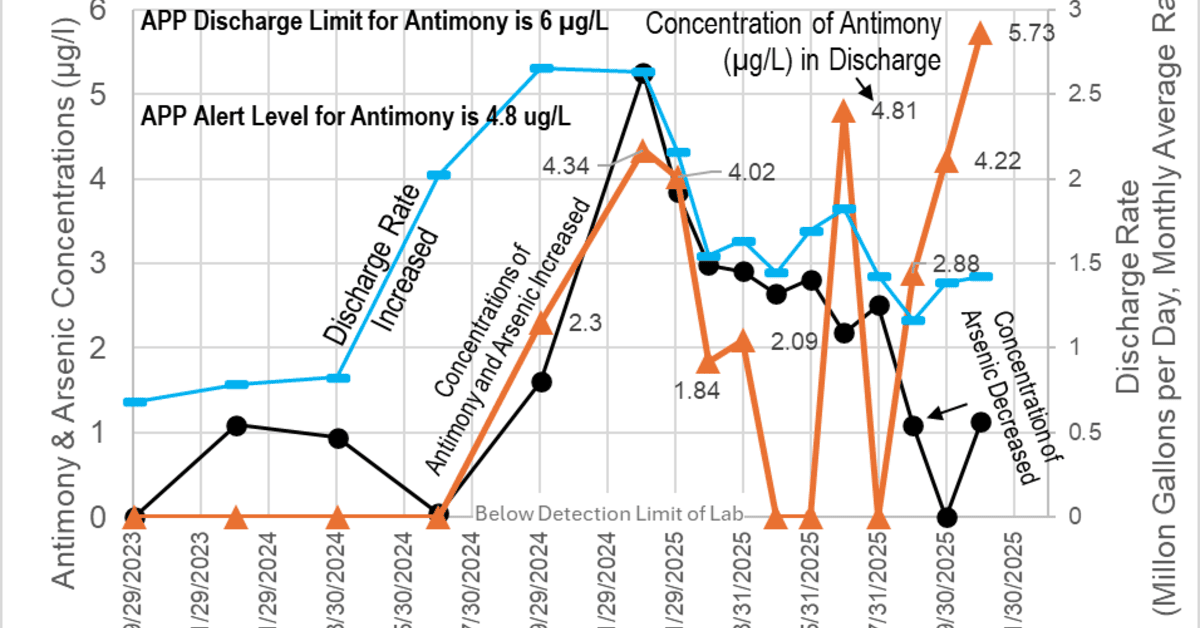
In the picturesque landscapes of Patagonia, Arizona, a concerning environmental narrative is unfolding. The South32 Hermosa Mine, a point of contention within the community, has reported water quality samples with the highest antimony concentration recorded to date. According to the latest data, a sample from October 31, 2025, showed 5.73 micrograms per liter (µg/L) of antimony, surpassing Arizona's Aquifer Protection Permit (APP) Alert Level of 4.8 µg/L and ominously close to the APP discharge limit of 6 µg/L. This revelation not only triggers a mandatory 30-day study but also highlights a disturbing upward trend in antimony concentrations as discharge flows increase.
Community members and environmental advocates are rightfully alarmed, fearing that the actual antimony concentrations could exceed the regulatory threshold due to the 30–60 days lag in public reporting. The urgency for accurate and timely information is palpable, as the potential risks to public health and the environment loom large.
Public Response and Scientific Analysis
In response to growing concerns, volunteer scientists have meticulously compiled and analyzed publicly reported discharge monitoring results. The resultant data paints a stark picture: higher flow rates, specifically above one million gallons per day, correlate with elevated metal concentrations. While adjustments to the treatment process have shown a reduction in arsenic levels, antimony remains a significant issue. This pattern raises questions about the efficiency of the mine's unique treatment plant, especially given the expected increase in discharge rates as the mine develops further.
The potential for groundwater contamination, particularly in the Harshaw Creek watershed and the Town of Patagonia aquifer, is a pressing concern. The area's reliance on groundwater for drinking and irrigation, coupled with the historical context of mineralized terrain and abandoned mines, underscores the critical need for comprehensive environmental monitoring and regulatory oversight.
Community Calls to Action
At the heart of this environmental challenge is a community's call for transparency, accountability, and proactive measures to safeguard their health and natural resources. Robin Lucky, President of the Calabasas Alliance, emphasizes the importance of water to the community's survival and the crucial role of trust-building during this pivotal moment. The alliance, formed by concerned residents of Santa Cruz County, stands at the forefront of advocating for a thorough analysis of the mine's long-term impact on water quantity and quality.
The implications of South32's operations extend beyond local water sources to the broader ecosystem, with antimony's toxicity posing severe risks to humans and wildlife alike. Chronic exposure to this toxic byproduct through drinking water can lead to a host of health issues, underscoring the urgency of addressing this environmental challenge head-on.
As the narrative unfolds, the role of environmental monitoring by the public becomes increasingly vital. It is through diligent oversight, informed community engagement, and a commitment to environmental stewardship that the residents of Patagonia and Santa Cruz County can navigate the complexities of this situation. Ensuring the integrity of their water sources, and by extension, their health and prosperity, hinges on a collective effort to hold mining operations and regulatory bodies accountable. In the face of such challenges, the community's resolve to protect their environment and demand transparency is both commendable and essential.
About David McInnis
David McInnis is the Founder of Newsworthy.ai, a news marketing platform that helps organizations amplify their stories and reach wider audiences. Previously, he founded PRWeb, where he transformed the newswire industry by pioneering distribution strategies in the era of Search. Today, David is once again at the forefront of innovation—this time rewriting the rules for how AI reshapes the news experience.